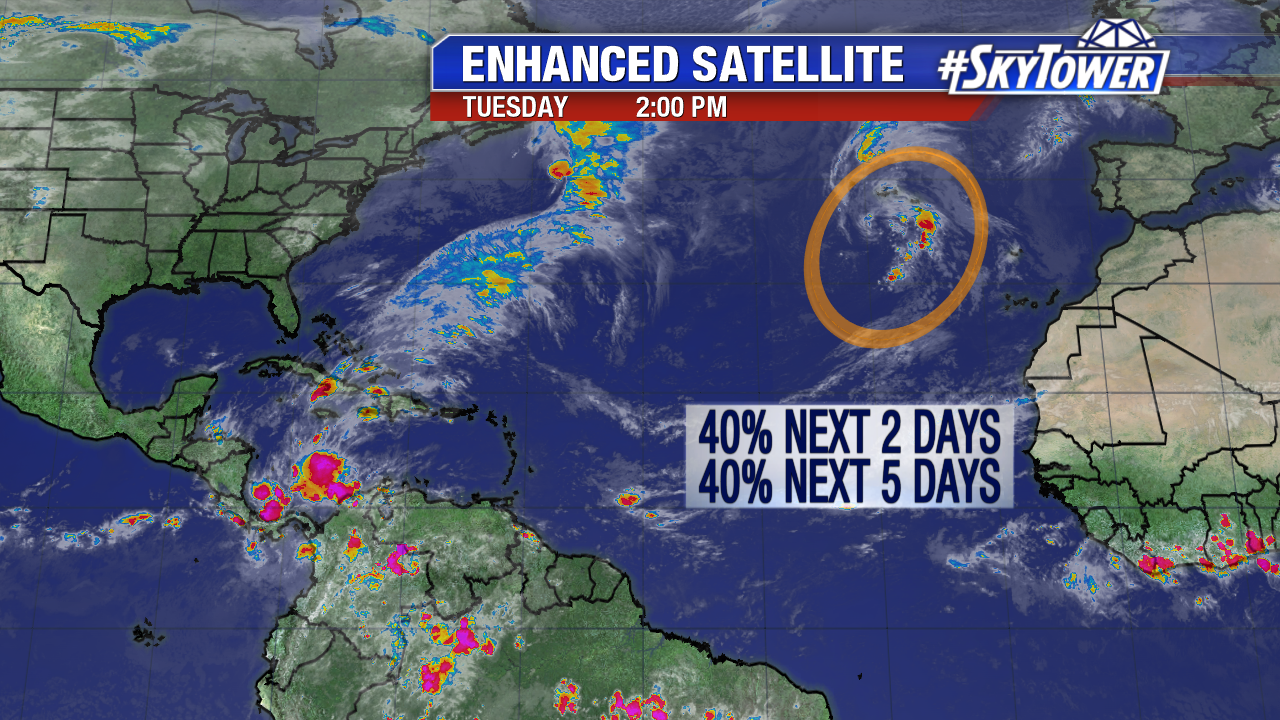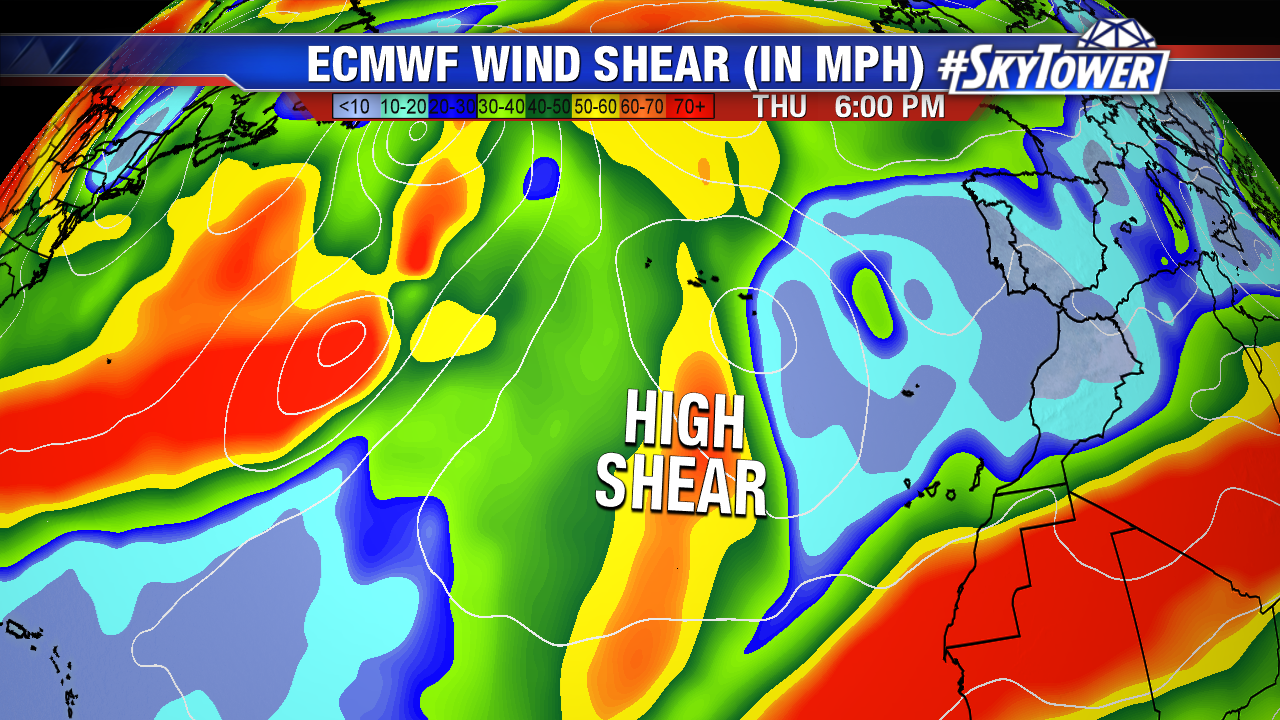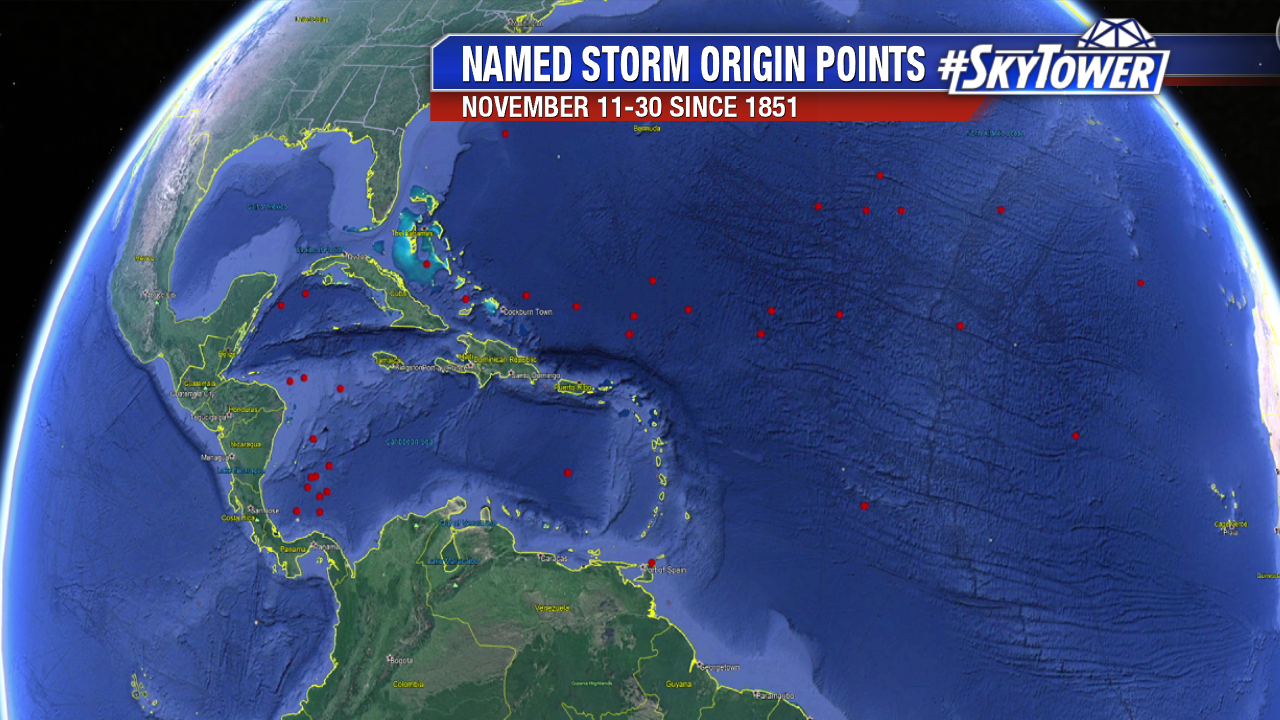
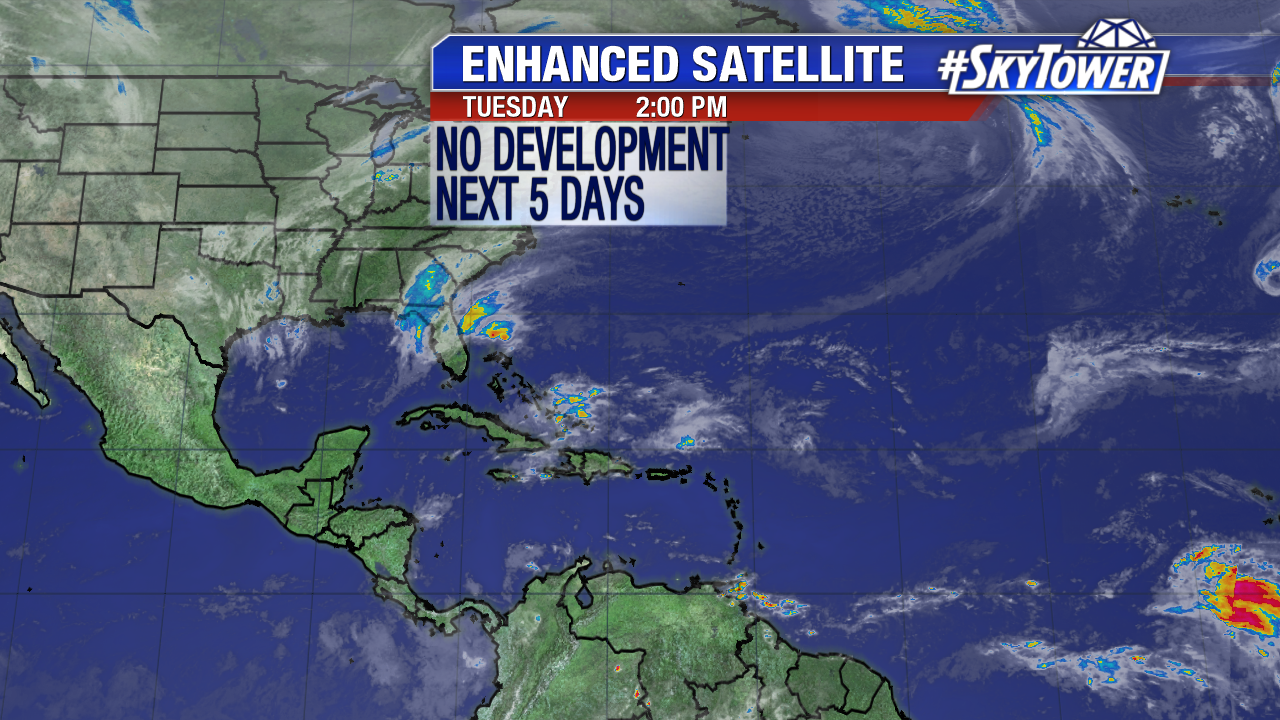
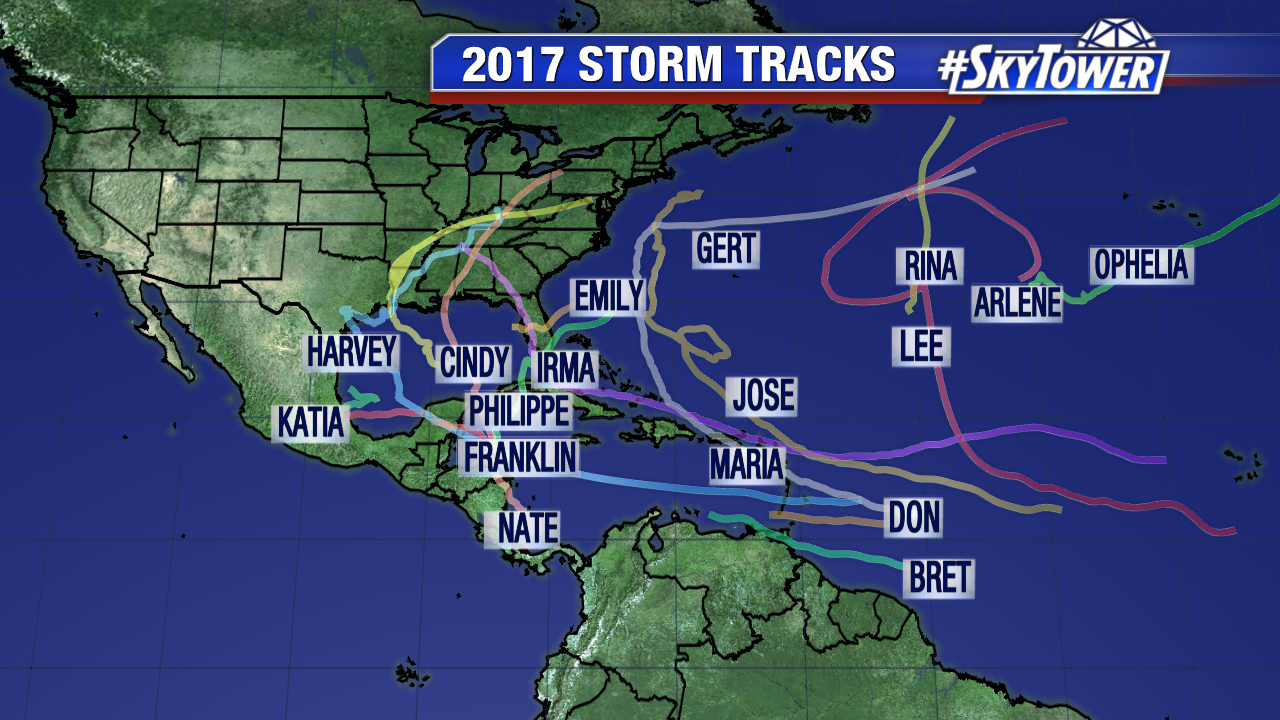
With ten days left in the 2017 Atlantic hurricane season, there is no sign of any tropical development on the horizon. Wind shear is incredibly high in the Gulf of Mexico with a deepening trough nearby. Upper level winds are also unfavorable for tropical or subtropical organization in the Atlantic and Caribbean. Not to mention, water temperatures are cooling too. At this pace, with no areas of interest, the hyperactive 2017 Atlantic season will wrap up with 17 named storms, 10 hurricanes and 6 major hurricanes. It is the busiest Atlantic season since 2012, in terms of named storms. When we analyze the total energy output of all tropical systems during the entire hurricane season, or ACE, the number is incredibly high in 2017. According the Dr. Klotzbach and meteorologists at Colorado State University the ACE in 2017 is 226. In an average season, the ACE is 111. This makes 2017 the 5th busiest season on record in terms of ACE, according to NOAA.
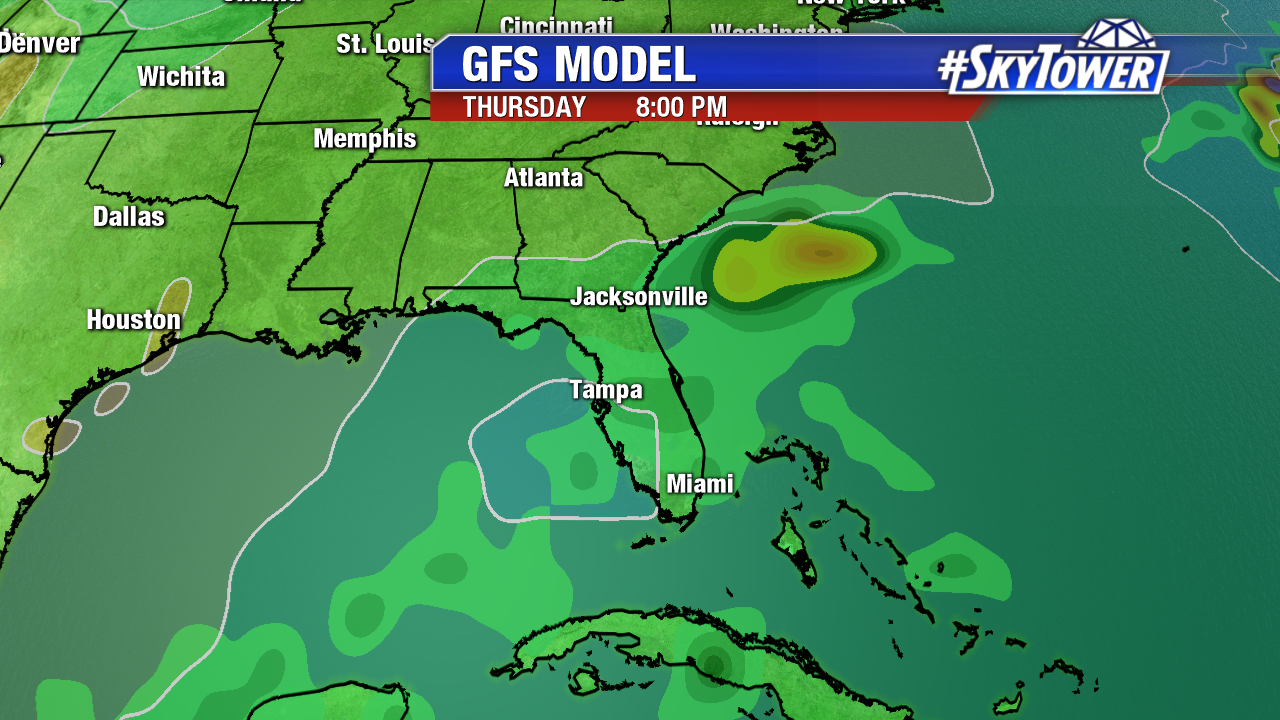
A series of disturbances bring several opportunities for rain this work week to Florida. A weak surface low will swing across the Sunshine State Thursday and Friday. No tropical development is expected with this feature. Below is the GFS forecast Thursday evening.