Still Quiet In The Atlantic; NOAA Releases Updated Seasonal Outlook

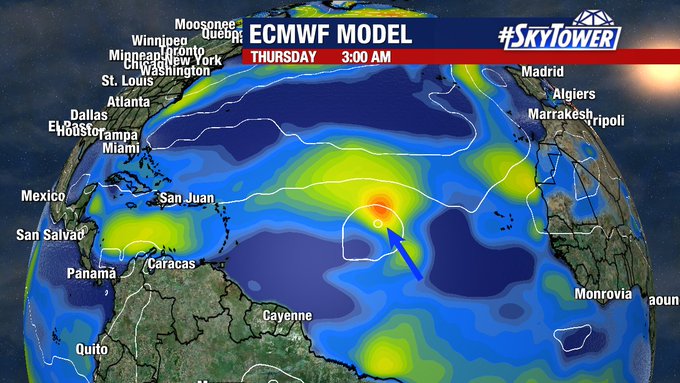
It’s been more than a month since we last had any activity to monitor in the Atlantic basin, and that stretch will continue at least through the weekend. That being said, things have to pick up sooner or later as we head into the peak of hurricane season, and there have been some indications that a robust tropical coming off the coast of Africa next week could bear watching.
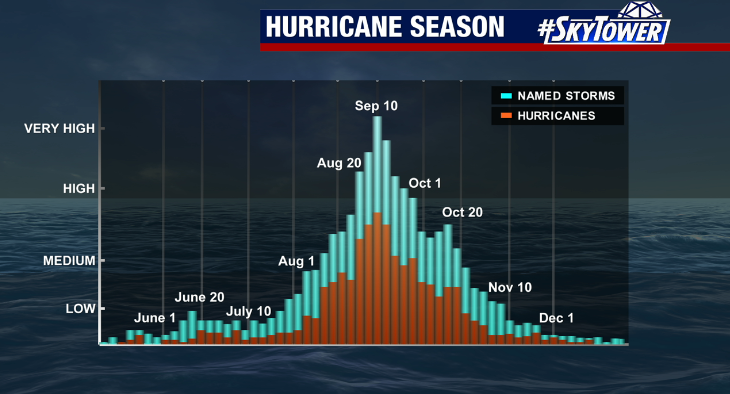
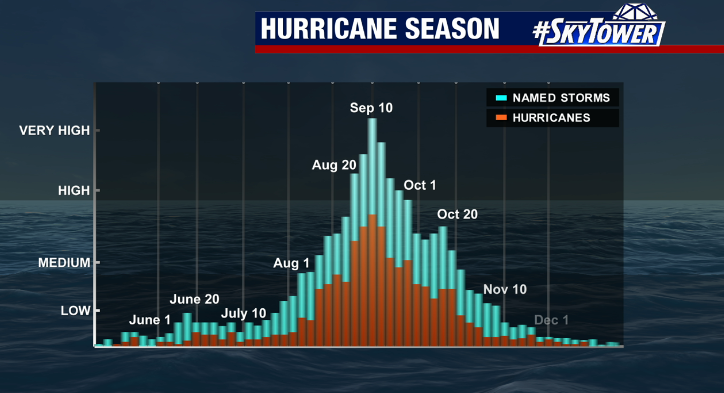
This time of year, winds are typically becoming more favorable for development and the extent of Saharan dust begins to lessen. As this happens, tropical activity tends to ramp up quickly, and we have to remind ourselves that the bulk of the hurricane season still lies ahead.
On Thursday, NOAA released an update to their 2022 hurricane season outlook. The numbers are essentially unchanged, with a 60% of an above normal season when all is said and done. At the end of the day, regardless of what any outlook says, we stay prepared as always. It doesn’t matter how many or how few storms we end up having – all it takes is one.
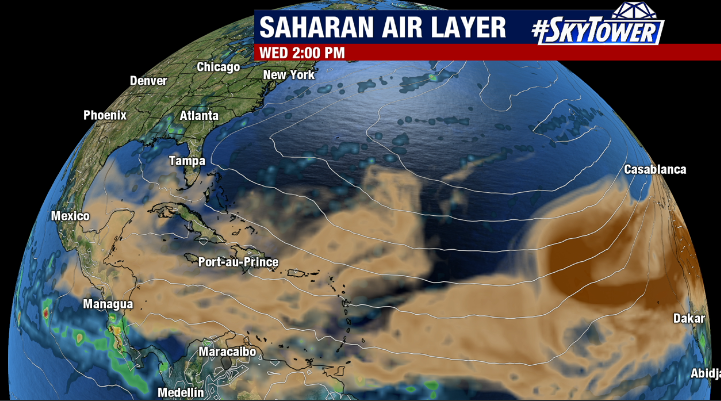
Saharan Dust keeping tropical activity quiet in the Atlantic

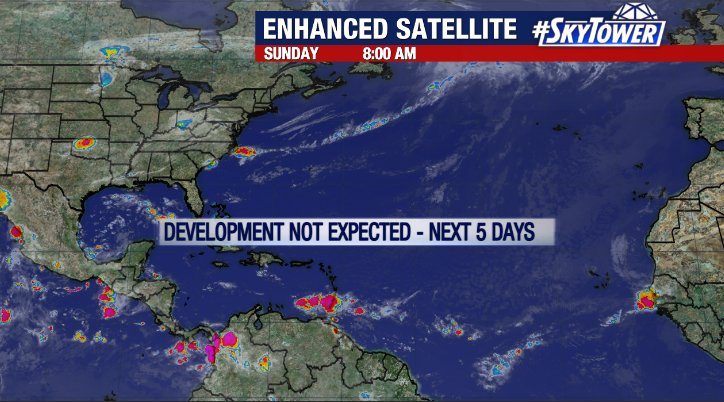
Things have been fairly quiet in the tropical Alantic over the last few weeks and it looks like we’ll keep the trend going to close out the month of July and at least for the first few days of August. The National Hurricane Center predicts tropical development is not expected over the next 5 days.

Along with areas of pockets of higher wind shear, Saharan Dust remains the primary limiting factor across much of the Atlantic keeping things fairly tame. Tropical waves prefer an environment with ample moisture and light wind shear for optimal growth. 

Typically, the plumes of dry, dusty air in the upper parts of the atmosphere works in our favor in the early part of hurricane season. However, its beneficial effects are only temporary. By mid-August, supply of the Saharan Air Layer begins to subside allowing tropical waves a more conducive environment to grow and organize into more formidable systems. This coincides with the peak of the season when water temps are warmest and tropical activity typically increases.